
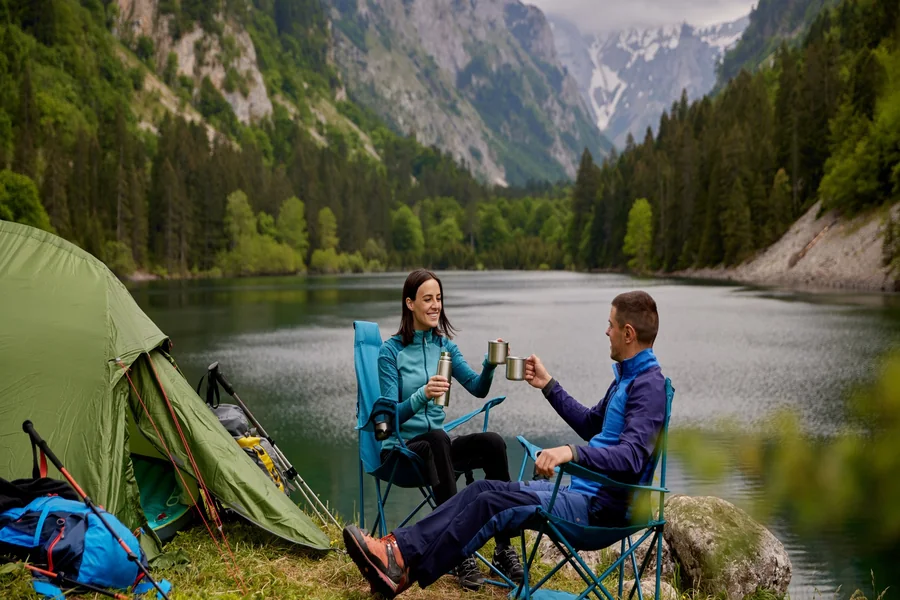
Planning your first camping trip can feel like a lot. There’s gear to think about, food to sort, and the weather to worry about. But it doesn’t have to be hard.
Camping is meant to be simple. If you plan it well and don’t overdo it, it can be one of the most relaxing, fun, and affordable ways to take a break.
Here’s how to get started – without the stress.
Choose a Simple Campsite
Don’t book a wild spot in the middle of nowhere for your first trip. Pick a proper campsite with toilets, showers, and drinking water. Some even have a café or a small shop.
Look for a flat pitch, easy parking, and clear directions. You don’t want to get lost before you’ve even unpacked the tent.
If you’re going with children, check if there’s space to play. Lakeside campsites or those near the coast often have extra things to do.
Keep It Short
For your first go, try one or two nights. A weekend is long enough to work out what you like (and what you forgot).
It also means less to pack, less to carry, and less time for things to go wrong.
Borrow or Buy Cheap Gear
You don’t need the best tent on the market. Borrow one if you can. If not, pick something simple and affordable – just make sure it’s waterproof.
You’ll also need:
- Sleeping bags
- Sleeping mats or airbeds
- Pillows or jumpers
- Camping stove or BBQ
- Torch or lantern
- Plates, cups, and cutlery
- Bin bags
- Wet wipes and loo roll
Skip anything that needs electricity, not even a small electric stove. You can live without a fridge or fancy lights for a couple of days.
Plan Easy Meals
You’re not cooking a feast. Stick to food that’s quick and filling:
- Sausages and rolls
- Tinned soup
- Pasta and sauce
- Bacon and eggs
- Cereal or porridge
Pack snacks, teabags, and enough drinking water. If the site has a freezer, take ice packs for a cool box.
Don’t forget washing-up bits. You’ll need a bowl, sponge, soap, and tea towel.
Pack for Any Weather
Even in summer, UK nights can be cold. And it might rain.
Bring:
- Warm jumpers and socks
- Waterproof coats
- Wellies or boots
- Light clothes for daytime
- Suncream and hats
Layer up. And keep a dry set of clothes in the car – just in case.
Plan Some Things to Do
You don’t need a full schedule, but it helps to have a few ideas. Walks, swims, card games, a football, or books.
Many campsites are near woods, lakes or beaches. You’ll find plenty to do without going far.
Bring a torch for night-time games or loo trips. And if the weather turns, have a board game or deck of cards ready.
Stay Flexible
Camping doesn’t always go to plan. You might forget the matches, or your tent might flap all night, or it might rain non-stop.
That’s normal.
Part of the fun is making do and finding ways to laugh about it later.
A Few Extras That Make a Difference
- A small table and folding chairs
- Fairy lights or a lantern
- A decent pillow
- Tinfoil and marshmallows
- A flask for tea or coffee
None of these are vital. But they help.
Switch Off
Camping is about switching off. It’s not about having the best gear or cooking fancy meals.
It’s about being outside, sitting round a fire, and waking up to birdsong. Start small. Keep it simple. Bring snacks. And don’t forget the loo roll.