
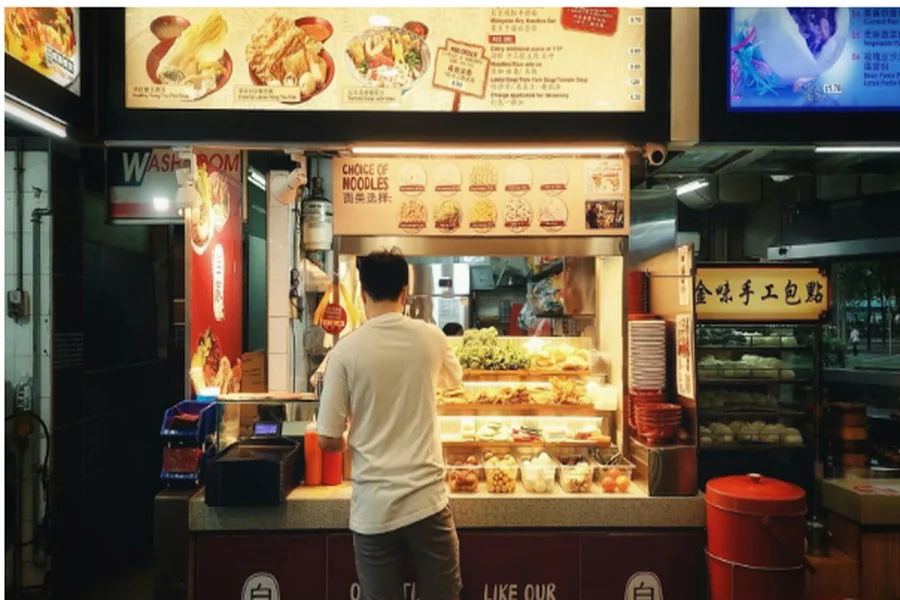
Are you tired of the same old dining experiences? Do you find yourself scrolling through endless reviews for expensive restaurants that all seem to offer a similar vibe? Many travelers and food lovers miss out on the true flavor of a city by sticking to predictable tourist spots. They crave authentic, delicious, and affordable food but don’t know where to find it. This guide will introduce you to the vibrant world of hawker centres, a culinary institution that is the heart and soul of community dining, starting with its most famous home: Singapore.
What Exactly is a Hawker Centre?
Welcome to the ultimate food court. A hawker centre is a large, open-air complex housing dozens of individual food stalls, each specializing in a few specific dishes. Think of it as a culinary melting pot under one roof. Born out of a need to regulate street food vendors in the mid-20th century, these centres have evolved into essential community hubs in Singapore. They are places where people from all walks of life—from office workers to families to tourists—gather to enjoy high-quality, incredibly affordable meals.
The importance of this culture is so profound that Singapore’s hawker culture was officially added to the UNESCO Representative List of the Intangible Cultural Heritage of Humanity. Imagine you’ve just landed for a long layover. Instead of waiting at the airport, you can dive straight into the local culture. Many travelers drop their bags at convenient luggage lockers Singapore and head directly to a hawker centre for their first authentic meal. It’s the perfect introduction to the city’s vibrant food scene without being weighed down.
Navigating Your First Hawker Experience
Stepping into a bustling hawker centre for the first time can feel a little overwhelming, but it’s simple once you know the basics. The energy, the smells of sizzling woks, and the sheer variety of options are all part of the fun.
The Art of “Chope”
You’ll quickly notice something unique about securing a table. In Singapore, locals “reserve” their seats with a small, inexpensive item. This practice is affectionately known as “chope.” Most commonly, you’ll see a small packet of tissues placed on the table or chair. This is a universal sign that the spot is taken. You might also see a staff lanyard, an umbrella, or a water bottle. Feel free to do the same to save your spot before you go hunting for food.
How to Order and Pay
The system is straightforward. You browse the different stalls, each with its own menu and pictures of the food. Once you decide, you order directly from the stall owner and pay. While cash is still king at many older, family-run stalls, an increasing number now accept digital payments like QR codes. After ordering, you’ll either be given a number and asked to wait, or your food will be handed to you immediately. It’s a self-service system, so you take your tray of food back to your “choped” table.
Understanding the Stalls
Worried about food safety? Don’t be. Every stall in Singapore is required to display a hygiene grade certificate, issued by the Singapore Food Agency. These grades range from A (the best) to D. Most stalls proudly display an A or B grade, ensuring that the food is prepared in a clean environment. You can also look for long queues—a line of locals is always the best endorsement of a stall’s quality and taste. Some stalls have even earned a Michelin Bib Gourmand or star, a testament to their world-class food at budget-friendly prices.
Must-Try Hawker Dishes for Beginners
With so many choices, it’s good to have a few classic dishes in mind. These are the staples of Singaporean hawker cuisine and a great starting point for any newcomer.
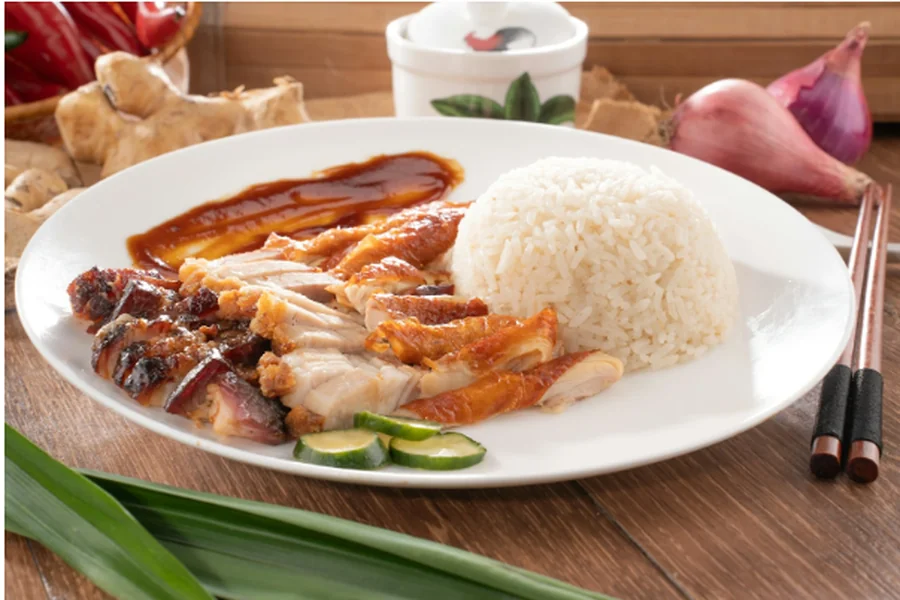
- Hainanese Chicken Rice is Singapore’s unofficial national dish. It looks simple, but the flavor is complex. You get perfectly poached, tender chicken served with rice cooked in rich chicken broth, garlic, and pandan leaves. It’s accompanied by a trio of dipping sauces: a tangy chili-garlic sauce, a thick dark soy sauce, and fragrant minced ginger. A delicious and filling plate will typically cost you only S$4-S$7.
- Char Kway Teow is a smoky, savory noodle dish that is incredibly addictive. Flat rice noodles are stir-fried in a hot wok with dark soy sauce, shrimp, cockles, bean sprouts, and Chinese sausage. The “wok hei,” or “breath of the wok,” gives the dish its signature charred aroma that is hard to replicate at home.
- Laksa is a spicy and creamy noodle soup that is a perfect fusion of Chinese and Malay flavors. The rich broth is made from coconut milk and a flavorful spice paste, filled with thick rice noodles, shrimp, fish cakes, and tofu puffs that soak up all the delicious gravy.
- Satay is a perfect snack or light meal. These are skewers of marinated meat—usually chicken, beef, or mutton—grilled over a charcoal fire until they are smoky and slightly charred. They are served with a thick, sweet, and slightly spicy peanut sauce, along with raw onions and cucumber to cut through the richness.
Famous Hawker Centres to Visit
While you can find great food in almost any neighborhood hawker centre, some are iconic and worth a special visit.
- Maxwell Food Centre is located conveniently in Chinatown and is one of the most popular centres for both locals and tourists. It’s home to the world-famous Tian Tian Hainanese Chicken Rice, which was praised by both Anthony Bourdain and Gordon Ramsay.
- Lau Pa Sat, also known as Telok Ayer Market, is a beautiful, historic structure in the heart of the central business district. During the day, it’s a bustling food hall, but at night, a portion of the street outside closes to traffic and transforms into “Satay Street,” with dozens of vendors grilling satay under the open sky.
- Chinatown Complex Food Centre is the largest hawker centre in Singapore, with over 260 food stalls. This is where you can find the first-ever hawker stall to be awarded a Michelin star: Liao Fan Hong Kong Soya Sauce Chicken Rice & Noodle. Here, you can enjoy a Michelin-starred meal for under S$5.
Hawker Culture Beyond Singapore
The concept of centralized, affordable street food is not unique to Singapore, though Singapore has perfected its organization. Neighboring Malaysia has a similar and equally vibrant scene. In cities like Penang and Kuala Lumpur, you can find sprawling food courts and “pasar malam” (night markets) offering legendary dishes like Assam Laksa and Hokkien Mee.
In Thailand, the street food culture is more decentralized but just as dynamic. The streets of Bangkok are legendary for their vendors selling everything from Pad Thai to mango sticky rice and grilled meats from mobile carts and small shophouse eateries. It’s a culture of grabbing a quick, delicious, and cheap bite on the go, forming a vital part of daily life.